The Importance of Resilience in Sports

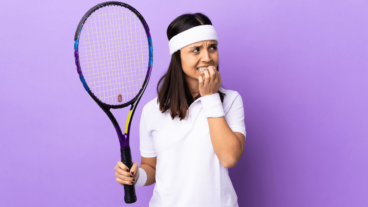
Resilience is a very important skill in all sports. Athletes have to deal with the stress of competitions and the pressure of being the best in their respective fields. You must also add the worrying they experience about working with their very bodies which is something often hidden behind medals. Elite sports punish the body, push it to the maximum, and are far from being healthy. In turn, this idea is related to another source of pressure – injuries.
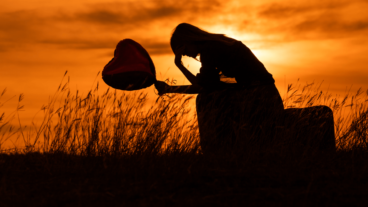
How does resilience work outside of sports? The truth is that athletes aren’t the only ones who have to overcome obstacles. We have all had to suffer solitude and touch rock bottom. Usually, this is accompanied by the feeling that it’ll be very difficult to pick yourself back up again. In fact, this is something we all go through with more or less intensity in our everyday routines.
Following this parallelism, sports, for individuals who don’t practice them professionally, can become a training ground for certain psychological variables. Resilience, obviously, can be found among these variables. Plus, an accident or the death of a loved one are experiences that one is rarely prepared for. During these situations, having good resilience marks a big difference between overcoming them successfully or not.
Resilience is a very important skill in all sports. Athletes have to deal with the stress of competitions and the pressure of being the best in their respective fields. You must also add the worrying they experience about working with their very bodies which is something often hidden behind medals. Elite sports punish the body, push it to the maximum, and are far from being healthy. In turn, this idea is related to another source of pressure – injuries.
How does resilience work outside of sports? The truth is that athletes aren’t the only ones who have to overcome obstacles. We have all had to suffer solitude and touch rock bottom. Usually, this is accompanied by the feeling that it’ll be very difficult to pick yourself back up again. In fact, this is something we all go through with more or less intensity in our everyday routines.
Following this parallelism, sports, for individuals who don’t practice them professionally, can become a training ground for certain psychological variables. Resilience, obviously, can be found among these variables. Plus, an accident or the death of a loved one are experiences that one is rarely prepared for. During these situations, having good resilience marks a big difference between overcoming them successfully or not.
“Hardships often prepare ordinary people for an extraordinary destiny.”-C.S. Lewis-
Athletes are role models for overcoming
If there’s something that sets athletes apart from the rest of us it’s that most of their pressure is self-imposed. At the same time, many have no other choice but to self-manage themselves. However, this pressure grants them the maturity which allows in sports to develop and strengthen their resilience. Thus, they become people who are committed, have a great deal of determination and, above all, have the faith that comes from having experienced many storms and witnessed how, over time, the clouds retreated.
Consider this – athletes suffer injuries, performance issues, and illnesses that can render them incapable of carrying out their job. Nevertheless, despite this fact, they recover from setbacks very easily, just as a study conducted in 2008 by Galli and Vealy showed. The mental strength athletes have lets them remain afloat when others sink. This is the product of their experience, but it is also an exercise of faith and hope.

Being resilient towards challenges, not just in sports
In this sense, we also cannot forget about all of the athletes with disabilities who, despite being limited, manage to give their best and face the challenge of improving every day with hope. Instead of being victims of misfortune or tragedy, they are conquerors and examples to follow in life. They don’t stop. They are strong and resilient.
“Resilience is the ability to face life’s adversities, transform pain into a driving force in order to overcome and become strengthened by them. A resilient person understands that they are the architect of their own joy and their own destiny.”
The psychological pressure that every athlete is subjected to is not an impediment to continue putting in the effort and improving every day. Why does this not happen with people who are not in sports? According to the study mentioned above, the answer can be found in that, precisely due to their constant physiological active state, athletes are capable of generating and maintaining a helpful degree of optimism. However, it seems that the same does not happen for individuals who have a sedentary lifestyle.
Resilience applied to other facets of life
You don’t have to be an athlete or belong to a soccer team to enjoy the benefits that sports can provide. Introducing children to sports at an early age, regardless of the sport, will be a positive step in their health. Also, it will teach them to manage stress and other emotions that can lead to defeatism.
Everything that sport has to offer, the benefits it provides, will help all of those acquired positive skills to be extrapolated to the different facets of life. That is to say, resilience, for example, will have great repercussions on social relationships, school, and work performance.

Applying resilience to everyday issues
Resilience in sports can turn into an excellent tool in order to successfully overcome life’s difficulties and issues. This applies to things from everyday issues to the rarest problems and the ones which produce the greatest emotional impact. Learning to manage these circumstances correctly allows us to recover from them more quickly. Sports, as we said earlier, can be a good training ground to practice this attitude.
“Opportunity emerges from adversity and pain. Sometimes our paths are found in the most paradoxical ways. Because in order to move towards a greater well-being and balance as a family, one must experience a painful situation.”
-José María Madariaga Orbea-
This text is provided for informational purposes only and does not replace consultation with a professional. If in doubt, consult your specialist.